
Product Description
Product Description
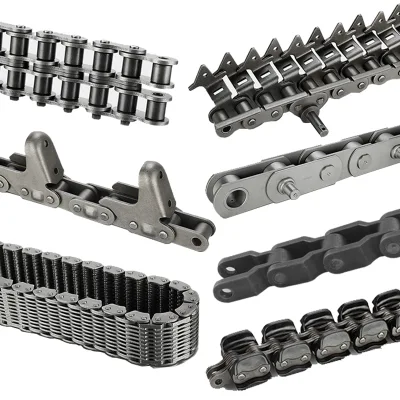
1, Our Chain types: Agricultural roller chain, class crate conveyor chain, cast chain, combination chain, sugar industry chain, motorcycle roller chain, roller chains, bakery industry chain, weld steel drag chains,coil conveyor chain, palm oil chain etc;
2, Main materials: It is 40Mn. 40Cr, 45Mn alloy steel, SUS304, and POM Plastic for plates, 10#, 20#, 20CrMnMo, 30CrMnTi for pins and rollers;
3, Heat treatment: Carburizing, Austemper Stressing, nitro-caburizing harden etc;
4, Surface: Shot peening, black, blue or original;
Detailed Photos
For example of CC class crate conveyor chain CC600, CC400, CC175, CC625, F801,CC1300, C188
Product Parameters
Packaging & Shipping
plastic bag+carton+ OSB Case
Shipping way: these products will be shipped to your local port by sea, these also could be sent to your specific address by air.
Our Advantages
Our chains could be customized according to your actual order quantity, actual drawing and actual requirement. We have own chain process workshop, heat treatment workshop, process equipments and experienced designers.
(01)Assembled workshop
(02)Punching plate workshop
(03)Plate fabrication workshop
(04)Heat treatment workshop
(05)Shot peening workshop
(06) our warehouse
After Sales Service
Our products can be repaired or replaced the new parts with free cost in six months.
/* January 22, 2571 19:08:37 */!function(){function s(e,r){var a,o={};try{e&&e.split(“,”).forEach(function(e,t){e&&(a=e.match(/(.*?):(.*)$/))&&1
| Material: | Alloy |
|---|---|
| Structure: | Combined Chain |
| Surface Treatment: | Polishing |
| Chain Size: | 2.52inch |
| Feature: | Heat Resistant |
| Pitch: | 2.52 Inch |
| Customization: |
Available
| Customized Request |
|---|

Can cast chains be used in heavy-duty lifting and rigging applications?
Yes, cast chains are often used in heavy-duty lifting and rigging applications due to their high strength and durability. They are designed to withstand heavy loads and provide reliable performance in demanding industrial settings.
The robust construction of cast chains, typically made from high-quality alloy steels, ensures they can handle the stress and forces involved in lifting and rigging operations. The chain links are designed to interlock securely, providing a safe and efficient means of lifting heavy objects.
In heavy-duty lifting applications, proper chain selection is crucial to ensure the chain’s working load limit (WLL) exceeds the maximum weight of the load being lifted. Additionally, factors such as the number of legs in the lifting configuration, the angle of the lift, and the length of the chain should be considered to ensure safe operation.
It’s essential to follow all safety guidelines and regulations when using cast chains for lifting and rigging purposes. Regular inspections, proper maintenance, and adherence to load limits are critical to ensuring the safety and reliability of the lifting operations.
When used correctly and in compliance with industry standards, cast chains offer a versatile and dependable solution for heavy-duty lifting and rigging applications in various industries, including construction, manufacturing, and maritime.

What are the limitations of using cast chains in certain applications?
While cast chains offer several advantages in heavy-duty and demanding applications, they also have some limitations that need to be considered when selecting a chain for a specific use:
- Cost: Cast chains are generally more expensive to manufacture than standard roller chains. The casting process and the use of high-quality materials contribute to their higher cost. As a result, cast chains may not be the most economical choice for applications with lower load requirements or where cost is a significant factor.
- Weight: Cast chains tend to be heavier than other types of chains due to their robust construction and use of thicker materials. This additional weight can be a drawback in applications where weight is a critical factor, such as in mobile or portable equipment.
- Speed Limitations: While cast chains can handle high loads, they may not be suitable for very high-speed applications. The additional weight and centrifugal forces can lead to increased stress and wear at high speeds, potentially limiting their speed capabilities.
- Corrosion: Cast chains made from certain materials may be susceptible to corrosion, especially in corrosive environments. While they can be coated or treated to improve corrosion resistance, other chain materials like stainless steel may be a better choice for highly corrosive applications.
- Shock Loads: While cast chains are generally designed to handle moderate shock loads, extremely high shock loads or impact forces can still cause premature wear and failure. In applications with severe shock loads, it may be necessary to consider other chain types or specialized solutions.
- Installation and Maintenance: Proper installation and maintenance are crucial for the reliable performance of cast chains. Inadequate tensioning, misalignment, or lack of lubrication can accelerate wear and reduce the chain’s service life.
Despite these limitations, cast chains are a durable and robust option for many heavy-duty industrial applications. When selecting a chain, it’s essential to carefully consider the specific requirements of the application and evaluate whether the advantages of using a cast chain outweigh any potential limitations.
How do cast chains handle shock loads and impact forces?
Cast chains are designed to handle shock loads and impact forces to some extent, but their performance in such conditions depends on various factors, including the chain’s material, design, and operating conditions.
The cast chains’ robust construction and high-strength materials enable them to withstand moderate shock loads and impact forces without failure. The inherent strength of cast chains makes them suitable for heavy-duty applications where sudden loads or impacts are expected.
However, it is essential to note that cast chains, like any other chain type, have their limits. Excessive or repeated shock loads can lead to stress concentrations, chain elongation, and potential fatigue failure over time. To ensure the longevity and optimal performance of cast chains, it is vital to avoid subjecting them to shock loads beyond their recommended capacity.
In applications where shock loads or impacts are prevalent, implementing measures like using chain guides, dampers, or shock-absorbing devices can help reduce the strain on the cast chains and improve their overall durability.
Regular maintenance and inspections are also critical for identifying any signs of wear or damage caused by shock loads. Addressing these issues promptly can prevent further deterioration and ensure the safe and reliable operation of the cast chains.


editor by CX 2024-03-28