
Product Description
| Model | Effective width of machine slot(cm) | Yield(m³/H) |
| TGSS16 | 16 | 30 |
| TGSS20 | 20 | 55 |
| TGSS25 | 25 | 90 |
| TGSS32 | 32 | 130 |
| TGSS40 | 40 | 270 |
| TGSS50 | 50 | 400 |
The drag conveyor is made up with Machine head,machine body,machine tail,inlet and outlet.
(1) The machine head is made up with the main body box,drive sprocket,Gear box, transmission sprocket.Chain and drags.
(2) The tail is made up with main body box,sprocket,tensioning device.
(3) The intermediate body is made up with the tube ,slide rail chain & drags,machine cover etc.
(4) The inlet and outlet are made up with the flange and connecting joints used for input or discharge of the grain.
(5) Chain has T and V type,it is the main part of the conveyor for transportation of the grain.
(6)1t is a kind of gear box transmission ed through the chain and head shaft The drag chain conveyor is widely used in the port industry, grain warehouse,malt industry,brewery industry,feed mill company,oil factory and so on.
ZheJiang CZPT Grain Steel Silo Company Ltd. is a leading supplier of grain storage solutions in China, dedicated to providing one-stop grain storage and supporting solutions for global customers.
The company was founded in 2007, and now has more than 30 invention patents and utility model patents, nearly 8,000 square CZPT of dust-free workshop, equipped with the most advanced automatic laser cutting machine, CNC lathe, metal bending machine and automatic shearing The company has more than 10 professional designers and engineers, and hundreds of factory managers, workshop directors, production schedulers, skilled workers and installers.
1.who are you?
We are professional silo manufacturer and solution provider start from 2007 based in ZheJiang , China with 14 years experience in overseas trading.
2.how can you guarantee quality?
We have got CE, ISO9001certificates and many patents.
3.what can we buy from you?
Grain Silos, ventilation system, level sensor,silo intelligent cloud management system, weighing sensor system,sweep auger,temperature monitoring system,cooler,fumigation system for steel silo, electric control system, bucket elevator,drag conveyor, screw conveyor, belt conveyor,pneumatic conveyor, pre-cleaner, vibrating cleaner, pulse dust collector,cyclone,suction separator, magnetic drum.
4: I want to use our own brand , is it ok?
Of course it’s OK , we can make OEM products if your MOQ is 2 sets, and we can also can provide our own brand products
5:When you ship my order?
Normally 15-30 days after receiving your payment, but it can be negotiated based on order qty and production schedule.
6.what services can you provide?
Accepted Delivery Terms: FOB,CIF,EXW
Accepted Payment Currency:USD,CNY
Accepted Payment Type: T/T,L/C
Language Spoken:English,Chinese
7:How about the warranty ?
One year warranty .
| After-sales Service: | 24 Hours Online |
|---|---|
| Warranty: | One Year |
| Structure: | Conveyor System |
| Material: | Carbon Steel |
| Material Feature: | Oil Resistant, Heat Resistant, Fire Resistant |
| Application: | Grain Transport, Grain,Foodstuff,Oil,Feed Industries |
| Customization: |
Available
| Customized Request |
|---|
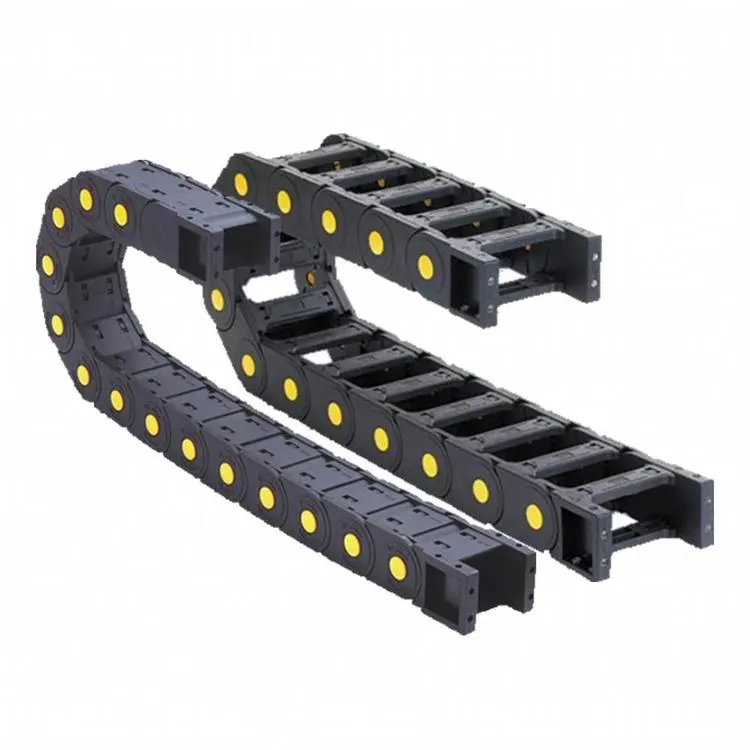
How do drag chains contribute to cable longevity and reduced downtime?
Drag chains play a significant role in enhancing cable longevity and reducing downtime in various industrial applications. Here’s how they contribute to these benefits:
- Cable Protection: Drag chains encase and protect cables and hoses, shielding them from external elements such as debris, dust, and liquids. This protection prevents the cables from getting damaged or worn out prematurely, ensuring their longevity.
- Preventing Tangling and Twisting: By guiding cables in a specific path, drag chains eliminate the risk of tangling and twisting during motion. Twisted or tangled cables can lead to damage and signal interference, which may result in downtime for troubleshooting and repairs.
- Reducing Friction: Drag chains provide a smooth pathway for cables to move within, reducing friction and abrasion that can occur when cables rub against each other or other components. Reduced friction extends the lifespan of cables and minimizes the need for frequent replacements.
- Eliminating Cable Stress: When cables are left loose or unorganized, they can be subjected to unnecessary stress during motion, which can lead to fatigue and eventual failure. Drag chains keep the cables securely in place, preventing stress-related damage.
- Preventing Cable Pinching: In some applications, cables can get pinched or crushed between moving parts. Drag chains create a dedicated channel for cables, preventing them from being pinched and preserving their integrity.
- Efficient Cable Management: Drag chains neatly organize and manage cables, reducing the chances of accidental damage or snagging during operation or maintenance activities. This efficient cable management contributes to reduced downtime and faster troubleshooting.
- Enhancing Cable Inspection: With cables enclosed in drag chains, it becomes easier to inspect and maintain them regularly. Regular inspections allow for early detection of potential issues, preventing unexpected downtime due to cable failures.
Overall, drag chains offer a comprehensive cable protection and management solution, which leads to extended cable longevity and minimized downtime in industrial settings.
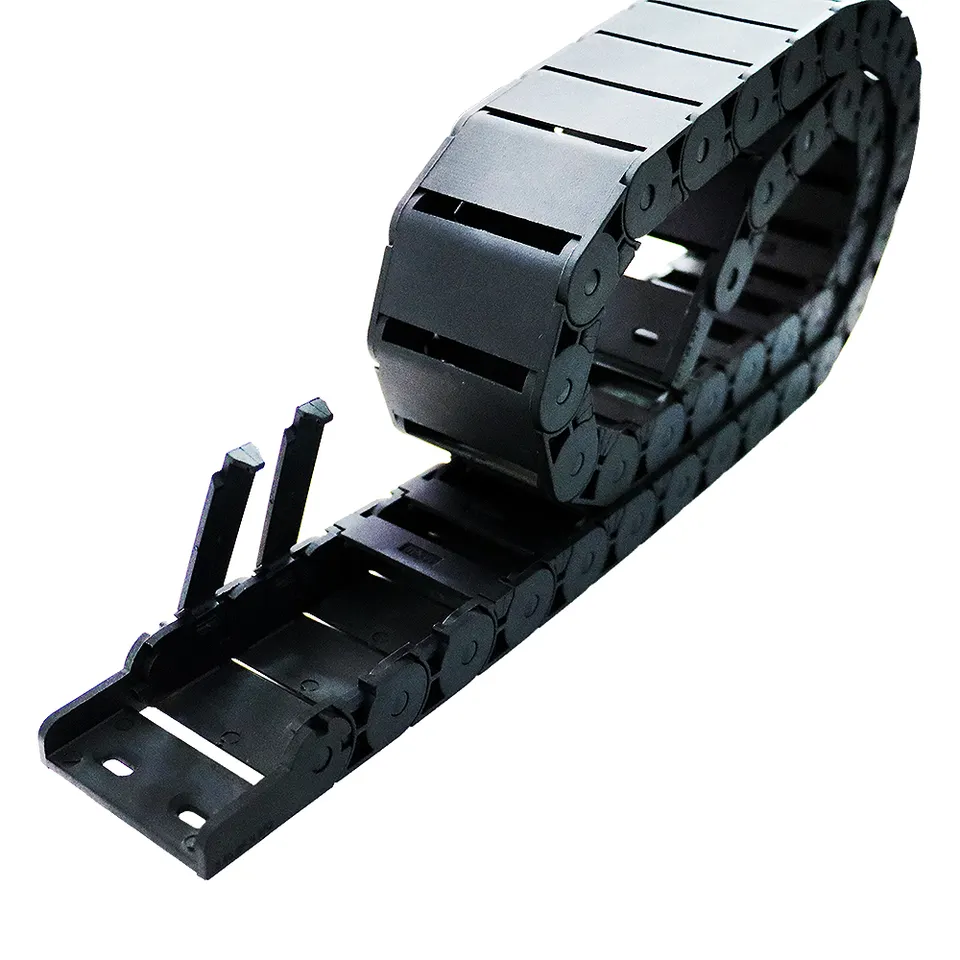
What are the safety considerations when using drag chains in industrial settings?
When using drag chains in industrial settings, several safety considerations should be taken into account to ensure the well-being of personnel and the optimal performance of the equipment. Here are some key safety considerations:
- Material Selection: Choose drag chains made from durable and fire-resistant materials to prevent accidents caused by chain failure or damage due to harsh environmental conditions.
- Load Capacity: Ensure that the selected drag chain has an appropriate load capacity to carry all the cables and hoses without being overloaded. Overloading can lead to premature wear and potential hazards.
- Installation: Properly install the drag chain according to manufacturer guidelines and industry standards. Ensure that it is securely attached to the equipment to prevent any unintended movements or dislodging during operation.
- Cable Arrangement: Organize cables and hoses within the drag chain carefully to prevent tangling, pinching, or rubbing, which could cause damage and affect cable performance.
- Maintenance: Regularly inspect and maintain the drag chain to identify signs of wear, corrosion, or damage. Replace any damaged or worn-out parts promptly to avoid potential hazards.
- Clear Pathways: Ensure that the drag chain’s movement path is clear from obstructions and that there are no tripping hazards for personnel working nearby.
- Temperature Considerations: If the industrial setting involves high-temperature environments, choose drag chains that are designed to withstand these conditions and prevent heat-related accidents.
- Chemical Exposure: In environments where there is exposure to chemicals or corrosive substances, select drag chain materials that are resistant to chemical degradation.
- Static Electricity: In situations where static electricity can build up, use drag chains with appropriate anti-static properties to prevent potential electrostatic discharge (ESD) hazards.
- Training and Awareness: Provide proper training to personnel about the safe operation and handling of drag chains. Create awareness about potential risks and safety protocols to follow.
By adhering to these safety considerations, industrial settings can ensure the safe and efficient use of drag chains, reducing the risk of accidents and equipment downtime.
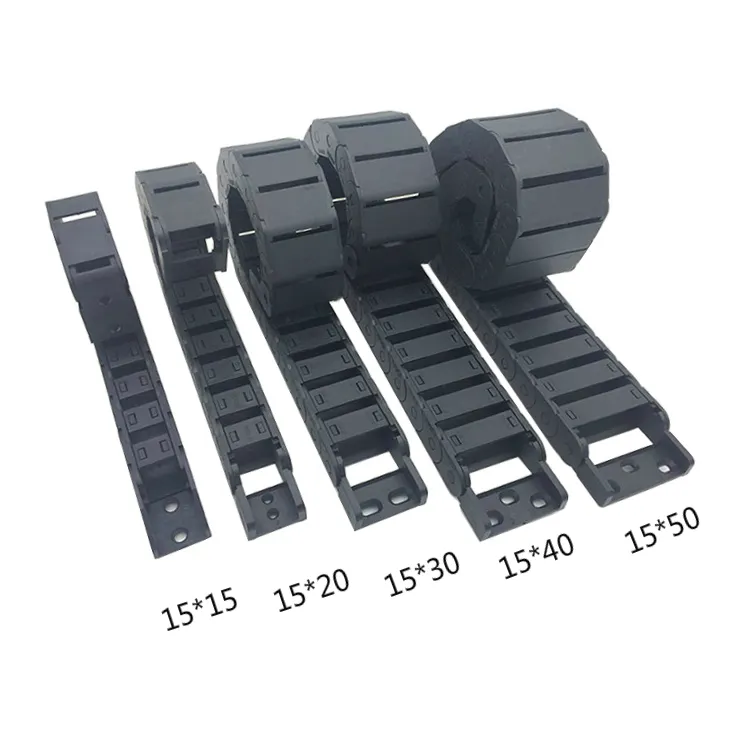
Can drag chains be used in robotic systems and automated machinery?
Yes, drag chains are commonly used in robotic systems and automated machinery to manage and protect cables and hoses. Robotic systems and automated machinery often require a complex network of cables and hoses to power and control the various moving parts and components. Drag chains offer a reliable solution for organizing and guiding these cables, ensuring smooth and efficient operations.
Benefits of using drag chains in robotic systems and automated machinery:
1. Cable Protection: Drag chains enclose and protect cables and hoses from external elements such as dust, debris, and mechanical stress. This protection prevents cable damage, extends their lifespan, and reduces the risk of costly downtime due to cable failures.
2. Cable Management: With a drag chain, cables are neatly organized and guided along a predefined path, reducing the chances of tangling or snagging during the robotic or machine movements. This organized cable management contributes to smoother and more precise operations.
3. Flexibility and Range of Motion: Drag chains are designed to flex and bend, allowing the cables to move freely with the robotic arm or machinery. This flexibility ensures that the cables can follow the range of motion required without any restrictions.
4. Space Optimization: In robotic systems and automated machinery where space is often limited, drag chains provide a space-efficient solution for cable management. They keep cables contained in a compact manner, optimizing the use of available space.
5. Safety: Drag chains contribute to the overall safety of robotic systems and automated machinery by preventing cable entanglement or tripping hazards. The organized cable management reduces the risk of accidents and ensures a safer working environment.
6. Increased Reliability: Reliable cable management provided by drag chains leads to improved overall system reliability. The reduced wear and tear on cables, along with the protection from external factors, result in more dependable and long-lasting performance.
7. Easy Installation and Maintenance: Drag chains are designed for easy installation and maintenance. Cables can be easily added or removed from the chain as needed, simplifying the maintenance process.
In summary, drag chains are essential components in robotic systems and automated machinery, ensuring efficient cable management, protection, and safety. They contribute to the smooth operation and longevity of these systems, making them widely used in a variety of industrial applications.


editor by CX 2023-08-10