
Product Description
Large Conveyor Factory Custom Large Capacity Sawdust Chain Drag
Product Description
Drag conveyor (also called drag chain conveyor) is 1 of the commonly used material handing equipment for grain storage silos, it is a light enmasse conveyor which is widely applied for food or grain handling. The drag conveyor is a continuous conveying transportation equipment with a rectangular cross-section connected with the moving chain. Drag chain conveyor is widely used to
transport the particles and powdered material horizontally, it also can be used for transport obliquely and vertically.
The drag conveyor does not produce dust and cause no environmental pollution because of the whole sealing of the closed trough, so it can improve the worker operating conditions and can’t cause food scatter when used in the outside. It is also free from weather conditions.Meanwhile, It is capable of executing both single point and multi-point feeding and discharging. In some conditions, it has some prominent advantages for the toxic, explosive, high temperature materials transportation. It can also be applied for flying material transportation to protect working conditions and prevent environment pollution.
Specification
|
Model |
Groove width*height |
Capacity(T/H) |
Chain speed(M/S) |
|
TGSS16 |
160*160 |
15-28 |
0.4-0.6 |
|
TGSS20 |
200*200 |
29-56 |
0.4-0.6 |
|
TGSS25 |
250*250 |
56-84 |
0.4-0.6 |
|
TGSS32 |
320*320 |
85-140 |
0.4-0.6 |
|
TGSS40 |
400*400 |
141-211 |
0.4-0.6 |
|
TGSS50 |
500*400 |
212-281 |
0.4-0.6 |
Features
* High performance, easy to operate, easy to maintain
* Stable running, low noise and long service life
* Thread rod type takeup (tensioner) can be fitted at the tail so as to meet various conveying requirements
* Flexible for multi-point feeding and discharging
* Equipped with an alarming device for material blockage
* Devices for speed loss and chain breakage protection are optional
Details Images
(1)The machine head is made up with the main body boxdrive sprocketGear box. transmission sprocket.Chain and drags.
(2) The tail is made up with main body boxsprockettensioning device.
(3)The intermediate body is made up with the tube,slide rail,chain & drags,machine cover etc.
(4)The inlet and outlet are made up with the flange and connecting joints used for input or discharge of the grain.
(5) Chain has T and V type,it is the main part of the conveyor for transportation of the grain.
Applications
Drag conveyors are suitable for conveying bulk food, oil, feed and other bulk materials. They are widely used in sea port, dock,grain depot and the malt, flour, brewery, feed and chemical industries for horizontal bulk material conveying.
Product packaging
Company Profile
Shelley Engineering Co., Ltd. is a company professionally produce and sell grain storage silos. As the main supplier of steel farms and commercial storage bins and silos in China, we offer the most technologically advanced grain dryers in the industry and a large selection of material handling systems, including sweep augers, drying and cleaning systems, commercial bucket elevators and conveyors.
Our clients come from mainland China, Ukraine, Poland, Australia, Argentina, Sudan, Vietnam, Korea, Thailand, Iran and Honduras. We welcome more and more clients to visit our factory. We research and develop a large number of new products every year. “Quality and reputation is the first” is our policy. We welcome friends from all over the world to cooperate with us for a prosperous future. Please feel free to contact us for further information.
/* January 22, 2571 19:08:37 */!function(){function s(e,r){var a,o={};try{e&&e.split(“,”).forEach(function(e,t){e&&(a=e.match(/(.*?):(.*)$/))&&1
| After-sales Service: | Provided |
|---|---|
| Warranty: | Provided |
| Structure: | Conveyor System |
| Material: | Stainless Steel |
| Material Feature: | Heat Resistant |
| Application: | Grain Transport |
| Customization: |
Available
| Customized Request |
|---|
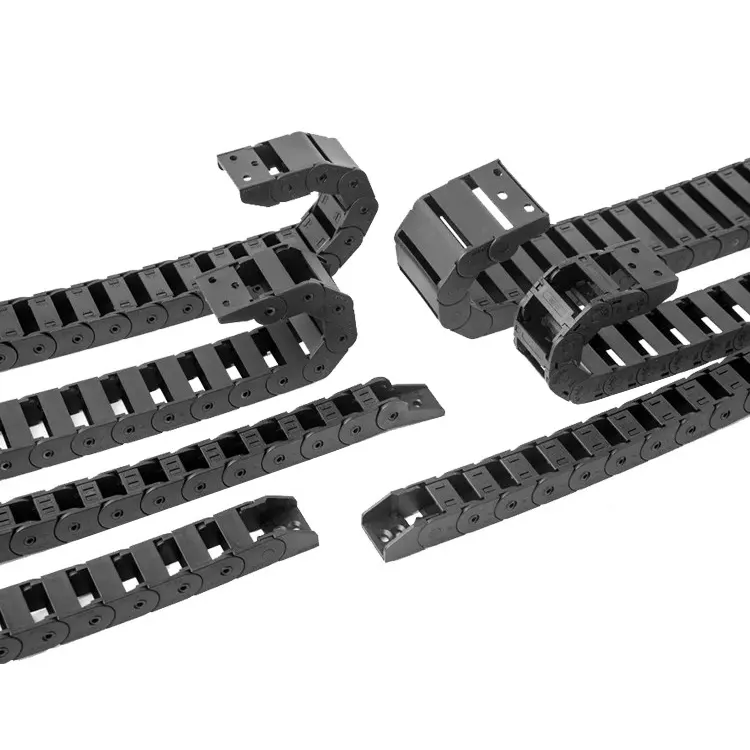
What are the temperature limits for drag chains in extreme environments?
Drag chains are designed to operate in a wide range of temperatures, but their temperature limits can vary depending on the materials used in their construction. In extreme environments, such as those with high or low temperatures, it is essential to select the appropriate drag chain that can withstand the specific conditions. Here are some general temperature guidelines for drag chains:
- Standard Drag Chains: Most standard drag chains can typically handle temperatures ranging from -40°C to 80°C (-40°F to 176°F). These are suitable for many industrial applications with moderate temperature variations.
- High-Temperature Drag Chains: For applications that involve higher temperatures, specialized high-temperature drag chains are available. These can handle temperatures up to 250°C (482°F) or even higher, depending on the materials used, making them suitable for use in hot environments like foundries or ovens.
- Low-Temperature Drag Chains: In cold environments, where temperatures can drop significantly below freezing, low-temperature drag chains are used. These can withstand temperatures as low as -50°C (-58°F) and are commonly used in freezer storage systems or cold storage facilities.
- Heat-Resistant Materials: Drag chains can be manufactured using various heat-resistant materials, such as stainless steel, special plastics, or composite materials, to withstand extreme temperature conditions without compromising their performance.
It is crucial to consult with the drag chain manufacturer or supplier to ensure that the selected drag chain is suitable for the specific temperature range of the environment in which it will be used. Using drag chains with appropriate temperature limits helps to maintain reliable cable protection and system performance even in extreme conditions.
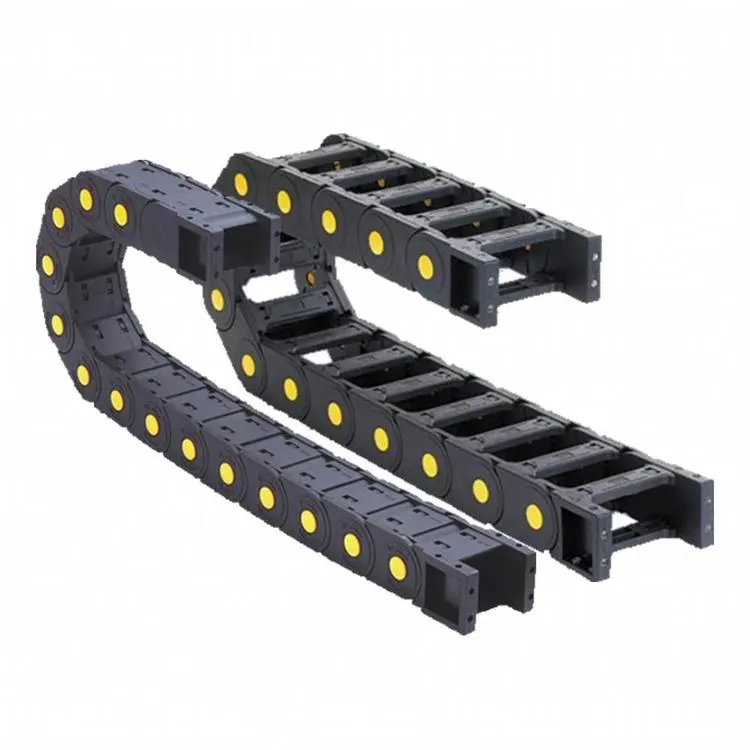
What are the environmental considerations when using drag chains?
When using drag chains, several environmental considerations need to be taken into account to ensure optimal performance and longevity. Drag chains, also known as cable carriers or energy chains, are used in various industrial applications and can be exposed to a wide range of environmental conditions. Some key environmental considerations include:
- Dust and Debris: Drag chains used in dusty environments, such as mining or construction sites, can accumulate debris over time. Regular cleaning and maintenance are essential to prevent abrasive particles from causing excessive wear and tear on the cables and hoses within the chain.
- Moisture and Water: In outdoor or wet environments, drag chains may be exposed to moisture, rain, or water splashes. It’s crucial to select drag chains made from materials that are resistant to corrosion and can withstand exposure to water without compromising performance.
- Chemical Exposure: Some industrial settings, such as chemical processing plants, may expose drag chains to harsh chemicals. Using drag chains with chemical-resistant materials is necessary to prevent degradation or chemical reactions that could affect the chain’s integrity.
- Temperature Extremes: Drag chains used in extreme temperatures, whether high or low, must be made from materials capable of maintaining their properties in those conditions. Extreme heat or cold can impact the flexibility and strength of the chain.
- UV Radiation: Outdoor applications may expose drag chains to UV radiation from sunlight, which can cause degradation of certain materials over time. UV-resistant drag chains are essential for maintaining performance and longevity in such environments.
- Space Limitations: In some applications, there may be limited space available for installing drag chains. It’s essential to consider the size and design of the chain to ensure proper cable and hose management without compromising other components or creating unnecessary strain.
Choosing the right type of drag chain, with appropriate materials and design features, is crucial to address the specific environmental challenges of each application. Regular maintenance and inspections are also essential to identify and address any issues that may arise due to environmental exposure, ensuring the drag chains continue to function effectively and protect cables and hoses from damage throughout their operational life.
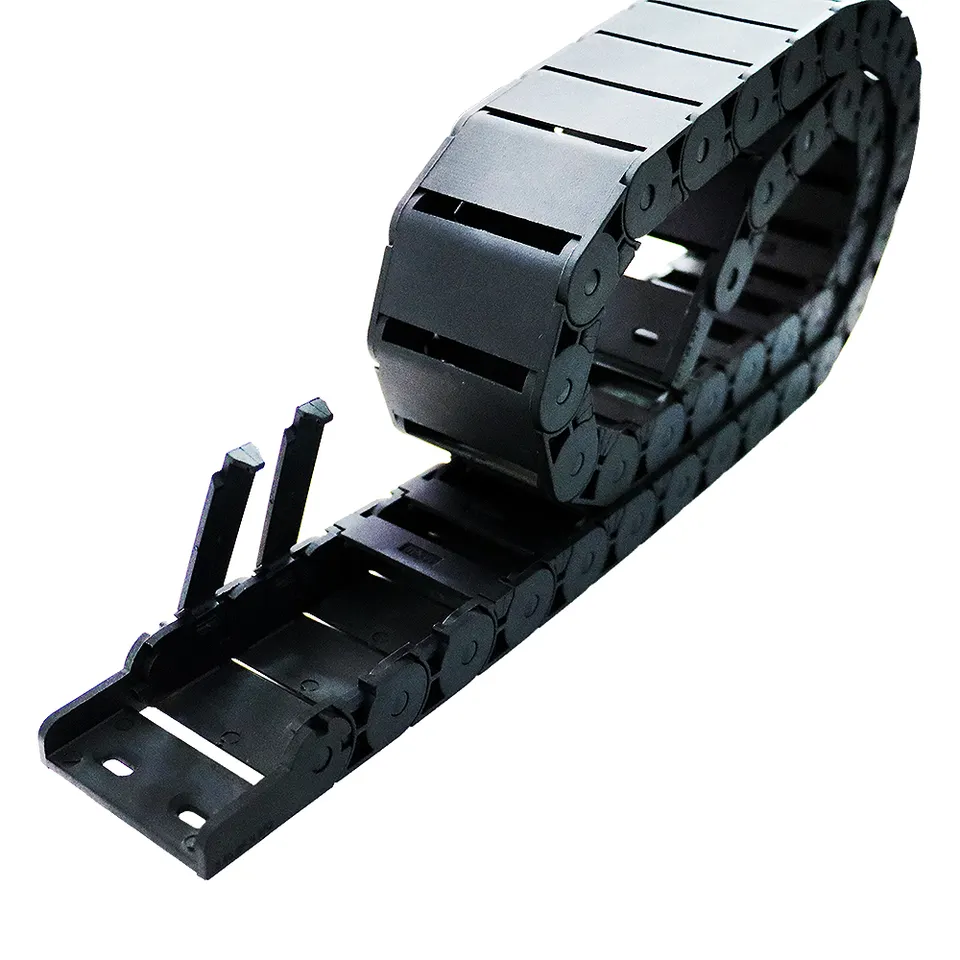
What is a drag chain and how is it used in cable management systems?
A drag chain, also known as a cable carrier or cable chain, is a device used in cable management systems to protect and guide cables and hoses in various industrial applications. It is designed to prevent tangling, bending, and abrasion of cables, ensuring smooth and reliable cable movement.
Drag chains typically consist of interconnected links or compartments that form a flexible chain-like structure. These links encase the cables and allow them to move freely within the chain while providing a protective housing. The drag chain is usually made from materials like plastic or metal, depending on the specific application requirements.
In cable management systems, drag chains are mounted on machinery or equipment that require frequent movement, such as robotic arms, CNC machines, and automated manufacturing systems. The drag chain’s primary function is to manage and organize cables and hoses that need to flex and move along with the machine’s motion.
Here’s how drag chains are used in cable management systems:
- Protection: Drag chains protect cables and hoses from mechanical stress, exposure to environmental elements, and potential damage caused by sharp edges or moving parts.
- Guidance: They guide the cables and hoses along a predefined path, preventing them from tangling or getting caught in the machinery, ensuring smooth and reliable movement.
- Space-saving: By organizing and containing all the cables within the chain, drag chains help optimize space and keep the work area tidy and safe.
- Longevity: Drag chains extend the lifespan of cables and hoses by reducing wear and tear, minimizing the risk of premature failure.
- Flexibility: The chain’s design allows it to flex and move in various directions, accommodating different machine movements without causing strain on the cables.
Overall, drag chains play a crucial role in maintaining the integrity and functionality of cables and hoses in cable management systems, contributing to improved machine performance, safety, and efficiency.


editor by CX 2024-05-09