
Product Description
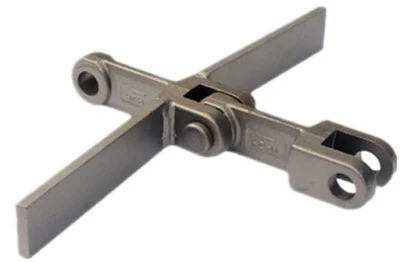
WH82 Welded Steel Chain ( For Steel Factory)
We own the sophisticated equipment and the advanced technology, such as:
1. CAD Designer
2. Wire Cutting Machine
3. Chain Running In Machine
4. Conveyor Furance
5. Ball Drift
6. Shot Peened Parts
7. Design Of Link Plate Waist
We have different models of welding chains, such as:
| Chain No
|
Pitch
(mm) |
Outside Barrel Dia
(mm) |
Pin Dia
(mm) |
Side Bar Height
(mm) |
Approx Tooth Face at pitch line
(mm) |
Length of Bearing
(mm) |
Plate Thickness
(mm) |
Ultimate tensile strength
(KN) |
Weight Approx
(Kg/FT) |
|
| WH82 | 78.1 | 26.97 | 14.35 | 31.8 | 38.1 | 57.4 | 6.4 | 132 | 2.28 |
|
We own the sophisticated equipment and the advanced technology, such as:
1. CAD Designer
2. Wire Cutting Machine
3. Chain Running In Machine
4. Conveyor Furance
5. Ball Drift
6. Shot Peened Parts
7. Design Of Link Plate Waist
Company Detail:
GOODUCK(TAI) is 1 of a professional exporter with exporting POWER TRANSMISSION PARTS: Roller chains,Conveyor chains,Stainless steel Chains, agricultural chains, steel detachable chains, special chains, sprockets, s. S. Sprockets, HRC couplings, pulleys, bushes etc. All these products have been supplied regularly to World Wide for over 15 years.
Welcome contact for more details.
Sofia Chen(Sales Manager)
HangZhou GOODLUCK TRANSMISSION TECHNOLOGY CO.,LTD
/* January 22, 2571 19:08:37 */!function(){function s(e,r){var a,o={};try{e&&e.split(“,”).forEach(function(e,t){e&&(a=e.match(/(.*?):(.*)$/))&&1
| Material: | Steel |
|---|---|
| Structure: | Welded Chain |
| Surface Treatment: | Polishing |
| Customization: |
Available
| Customized Request |
|---|
.shipping-cost-tm .tm-status-off{background: none;padding:0;color: #1470cc}
|
Shipping Cost:
Estimated freight per unit. |
about shipping cost and estimated delivery time. |
|---|
| Payment Method: |
|
|---|---|
|
Initial Payment Full Payment |
| Currency: | US$ |
|---|
| Return&refunds: | You can apply for a refund up to 30 days after receipt of the products. |
|---|

Can cast chains be used in wastewater treatment or sewage systems?
Yes, cast chains can be used in wastewater treatment and sewage systems, particularly in applications where durability and resistance to corrosion are essential. These chains are designed to withstand harsh environments, making them suitable for use in water treatment facilities and sewage systems.
In wastewater treatment plants and sewage systems, cast chains can serve various purposes:
- Clarifiers and Thickeners: Cast chains are commonly used in clarifiers and thickeners, which are crucial components in wastewater treatment processes. These chains are responsible for moving and collecting sludge, allowing the water to separate from solid particles.
- Scrapers and Conveyors: Wastewater treatment facilities often utilize cast chains in scrapers and conveyors to transport solid materials during the treatment process. The robust construction of cast chains ensures reliable and continuous operation even in abrasive and corrosive environments.
- Aeration Systems: Some wastewater treatment processes require aeration to promote biological treatment. Cast chains can be employed in aeration systems to facilitate the movement of diffusers or aerators, providing the necessary oxygenation for effective treatment.
- Sludge Dewatering: Cast chains are suitable for use in sludge dewatering equipment, which is responsible for reducing the volume of sludge by removing water. Their resistance to corrosion and wear ensures efficient and trouble-free operation during the dewatering process.
Cast chains are typically made from materials such as stainless steel or special alloy coatings, which provide excellent corrosion resistance in wastewater and sewage applications. Regular maintenance and proper lubrication are essential to extend the life of cast chains and keep them functioning optimally in these challenging environments.
In summary, cast chains are well-suited for use in wastewater treatment and sewage systems, offering the necessary durability and corrosion resistance to handle the demanding conditions of these applications.

How do cast chains handle side loads and lateral forces?
Cast chains are designed to handle side loads and lateral forces effectively, making them suitable for applications where these forces are present. The robust construction and materials used in cast chains contribute to their ability to withstand such forces.
When subjected to side loads or lateral forces, cast chains distribute the load across their sturdy components, including the pins, bushings, and plates. The design and manufacturing process of cast chains ensure that they maintain their structural integrity and resist deformation even under challenging conditions.
The side plates of cast chains are typically thicker and more substantial than those of standard chains, which helps to enhance their resistance to bending and lateral stress. Additionally, the material properties, such as high tensile strength and hardness, provide cast chains with the ability to handle these forces without failure.
However, while cast chains can handle side loads and lateral forces well, it is essential to avoid excessive or sudden loads that could lead to premature wear or damage. Regular inspection and maintenance of the chains, including proper lubrication and tension adjustment, will help ensure their optimal performance and longevity in applications with side loads and lateral forces.

What are the advantages of using a cast chain in heavy-duty applications?
Cast chains offer several distinct advantages that make them well-suited for heavy-duty applications in various industries:
- Exceptional Strength: Cast chains are known for their high tensile strength and load-carrying capacity. The casting process allows for a uniform distribution of material, resulting in a chain that can handle heavy loads without deformation or failure.
- Durability: The robust construction and high-quality materials used in cast chains contribute to their exceptional durability. They can withstand harsh operating conditions, abrasive materials, and extreme temperatures, making them ideal for heavy-duty and demanding environments.
- Resistance to Wear and Corrosion: Cast chains are designed to resist wear caused by friction and abrasion during operation. Additionally, they can withstand corrosion from exposure to chemicals or moisture, making them suitable for use in corrosive environments.
- Customization: Cast chains can be tailored to meet specific application requirements. Manufacturers can create custom designs, such as apron chains, drag chains, or bucket elevator chains, with attachments and features optimized for the intended use.
- Reliability: Due to their strong and durable construction, cast chains offer high reliability and reduced downtime in heavy-duty applications. This is crucial for industries where interruptions in operation can result in significant financial losses.
- Long Service Life: When properly maintained, cast chains can have a long service life, reducing the frequency of replacements and overall operating costs.
- Compatibility with Harsh Environments: Cast chains excel in industries such as mining, construction, steel, cement, and lumber, where the equipment operates in challenging environments involving dust, dirt, high temperatures, and heavy loads.
In summary, the advantages of using cast chains in heavy-duty applications include their exceptional strength, durability, wear resistance, customization options, and reliability. These features make cast chains a preferred choice for industries that require robust and dependable power transmission solutions.


editor by CX 2024-04-16