
Product Description
Product Description
1, Our Chain types: Agricultural roller chain, weld steel drag chain, agricultural conveyor chain, motorcycle roller chain, silent chains, oil pump chains, weld steel drag chains etc;
2, Main materials: It is 40Mn. 40Cr, 45Mn alloy steel, SUS304, and POM Plastic for plates, 10#, 20#, 20CrMnMo, 30CrMnTi for pins and rollers;
3, Heat treatment: Carburizing, Austemper Stressing, nitro-caburizing harden etc;
4, Surface: Shot peening, black, blue or original;
Detailed Photos
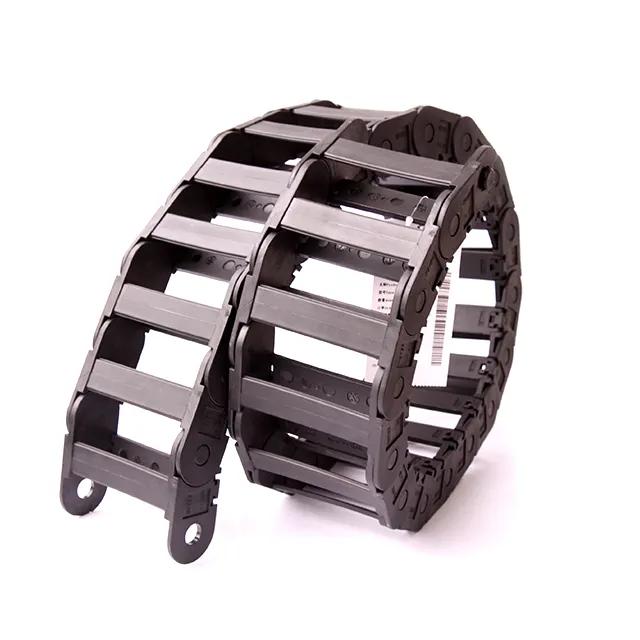
For example of welded steel drag chain WDH120
Product Parameters
Packaging & Shipping
plastic bag+carton+ OSB Case
Shipping way: these products will be shipped to your local port by sea, these also could be sent to your specific address by air.
Our Advantages
Our chains could be customized according to your actual order quantity, actual drawing and actual requirement. We have own chain process workshop, heat treatment workshop, process equipments and experienced designers.
(01)Assembled workshop
(02)Punching plate workshop
(03)Plate fabrication workshop
(04)Heat treatment workshop
(05)Shot peening workshop
(06) our warehouse
After Sales Service
Our products can be repaired or replaced the new parts with free cost in six months.
| Material: | Alloy |
|---|---|
| Structure: | Welded Chain |
| Surface Treatment: | Carburizing and Quenching |
| Chain Size: | 152.40mm |
| Plate Height: | 50.8mm |
| Tensile Strength: | 360kn |
| Samples: |
US$ 97/Meter
1 Meter(Min.Order) | |
|---|
| Customization: |
Available
| Customized Request |
|---|
What are the factors to consider when selecting a drag chain for specific cable management needs?
When selecting a drag chain for specific cable management needs, several factors should be taken into consideration to ensure optimal performance and longevity. Here are some key factors to keep in mind:
- Load Capacity: Determine the total weight of the cables and hoses that will be placed inside the drag chain. Select a drag chain with a load capacity that exceeds the total weight to prevent overloading.
- Internal Height and Width: Measure the diameter and height of the largest cable or hose in the system. The internal dimensions of the drag chain should be sufficient to accommodate all the cables without excessive bending or compression.
- Travel Length: Consider the maximum and minimum travel length required for the cables. Choose a drag chain that can extend and compress to meet the specific travel requirements.
- Environmental Conditions: Evaluate the operating environment for factors such as temperature, moisture, chemicals, and UV exposure. Choose a drag chain made from materials that can withstand the environmental conditions to ensure durability and longevity.
- Speed and Acceleration: Determine the speed and acceleration at which the drag chain will be moving. Higher speeds and accelerations may require drag chains with enhanced stability and anti-vibration properties.
- Mounting Options: Consider the available space and mounting options in the application. There are various mounting styles, including fixed, gliding, and rolling mounts, each suited for different installations.
- Friction and Noise: Drag chains should provide smooth, low-friction movement to reduce wear on cables and minimize noise. Look for drag chains with integrated glide shoes or separators to ensure smooth operation.
- Service Life: Choose a drag chain with a long service life to minimize maintenance and replacement costs. High-quality drag chains made from durable materials can offer extended service life.
- Cable Separation and Organization: Consider the need for cable separation and organization within the drag chain. Some drag chains offer dividers or compartments to keep cables organized and prevent tangling.
- Special Requirements: If the application has specific requirements such as EMI/RFI shielding, fire resistance, or anti-static properties, select a drag chain that meets those specifications.
By carefully considering these factors, engineers and designers can choose the most suitable drag chain for their specific cable management needs, ensuring reliable and efficient cable protection and organization.
Can drag chains be used in railway and transportation applications?
Yes, drag chains can be used in railway and transportation applications, and they serve essential roles in managing cables and hoses in these industries. Here’s how drag chains are beneficial in such applications:
- Cable Protection: In railway and transportation systems, there are various cables and hoses responsible for communication, control, power supply, and other functions. Drag chains protect these cables from external influences, such as vibrations, impacts, and environmental elements, ensuring their integrity and longevity.
- Space Optimization: In transportation equipment with limited space, drag chains help organize and route cables in a compact and efficient manner. They prevent cable tangling and ensure a neat and tidy cable layout, maximizing the available space and avoiding interference with other components.
- Dynamic Movement: Railway and transportation applications often involve dynamic movements, such as the extension and retraction of parts or the articulation of vehicles. Drag chains are flexible and capable of accommodating these movements while keeping the cables securely contained and protected.
- Reduction of Downtime: By protecting cables and hoses from wear and damage, drag chains contribute to the overall reliability of transportation systems. This reduction in downtime leads to increased operational efficiency and cost savings.
- Resistance to Environmental Conditions: Drag chains are designed to withstand various environmental conditions, including exposure to temperature variations, moisture, dust, and other contaminants. This resilience ensures continuous cable protection and performance even in challenging railway and transportation environments.
- Customizable Solutions: Drag chains come in various sizes, configurations, and materials, allowing for customized solutions that cater to specific transportation equipment requirements.
- Compliance with Industry Standards: Many drag chains used in railway and transportation applications comply with industry standards and regulations, ensuring safe and reliable cable management.
In conclusion, drag chains are a valuable component in railway and transportation applications. They protect cables, optimize space, accommodate dynamic movements, and enhance the overall efficiency and reliability of transportation systems.
What are the benefits of using a drag chain in industrial applications?
A drag chain, also known as a cable carrier or cable chain, offers several advantages when used in industrial applications. These benefits include:
1. Cable Protection: One of the primary benefits of using a drag chain is the protection it provides to cables and hoses. The chain encloses and shields the cables from external elements such as dust, debris, moisture, and mechanical damage. This ensures the longevity and reliability of cables, reducing the risk of downtime due to cable failure.
2. Flexibility: Drag chains are highly flexible and allow for multi-axis movement. They can bend and twist in different directions, accommodating complex motion and providing a full range of motion for cables. This flexibility is especially beneficial in applications with moving parts or robotic systems.
3. Space Optimization: By organizing and guiding cables within the drag chain, it helps optimize space and prevents cable clutter. This is particularly advantageous in tight spaces or areas with limited cable routing options, enabling efficient use of available space.
4. Reduced Wear and Tear: The smooth movement of cables within the drag chain reduces friction and wear, extending the lifespan of the cables. It prevents cables from rubbing against sharp edges or other components, mitigating the risk of abrasion and damage.
5. Improved Safety: Drag chains enhance workplace safety by eliminating loose cables and potential tripping hazards. By keeping cables organized and secure, they reduce the risk of accidents and injuries caused by tangled or exposed cables.
6. Increased Reliability: With proper cable management, the risk of cable failure due to bending, twisting, or pulling is minimized. This leads to increased reliability and uptime of machinery and equipment, improving overall productivity.
7. Resistance to Harsh Environments: Drag chains are often made from materials that offer resistance to harsh environments, such as high temperatures, chemicals, and outdoor elements. This makes them suitable for a wide range of industrial applications, including those in rugged and demanding conditions.
8. Easy Installation and Maintenance: Drag chains are designed for easy installation and maintenance. They can be opened easily for adding or removing cables, simplifying the process of cable updates or replacements.
Overall, the use of drag chains in industrial applications ensures efficient cable management, protects cables from damage, and contributes to the safe and reliable operation of machinery and equipment.


editor by CX 2023-10-17