
Product Description
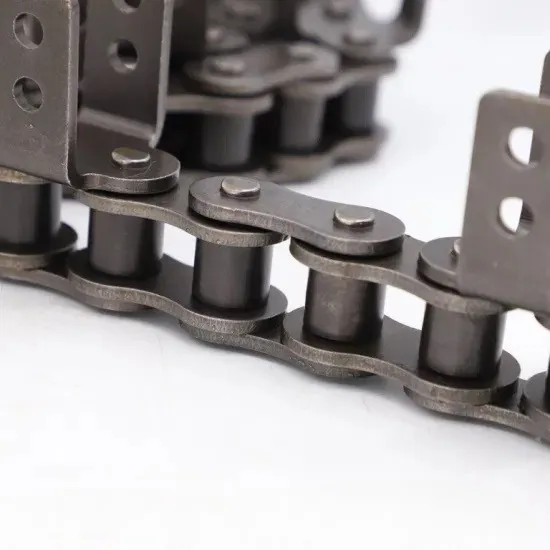
ISO Standard Pressure Casting Drop Forged Chain (X348, X458)
Product Description
When the chain forms into a ring, it can be utilized as a conveyor chain for heavy loads. Our drop forged chain is often found on the conveying equipment and suspension equipment, automobile, food processing, and steelmaking industries.
Our company is the lagrest drop forged chain manufacturer. The main products are standard drop forged chain.
| Name | Forging parameters | Weight (KG) |
Single point load (KG) | Allowable load (KG) | Limit load (KG) |
||||||
| P | H | A | C | D | F | G | |||||
| X348-1 | 83 | 42 | 105 | 40 | 50 | 48 | 10 | 1.35 | 100 | 1100 | 1800 |
| X348-11 | 85 | 45 | 93 | 40 | 60 | 48 | 10 | 1.35 | 100 | 1100 | 1800 |
| X458 | 95 | 44 | 120 | 54.5 | 50 | 54 | 10 | 2.5 | 200 | 1800 | 3600 |
View more products,please click here…
Company Profile
| Application: | Machinery Parts |
|---|---|
| Machining: | Pressure Casting |
| Material: | Iron |
| Surface Treatment: | Polishing |
| Design: | 2D |
| Casting Tolerance: | +/-0.2mm |
| Samples: |
US$ 0/Piece
1 Piece(Min.Order) | |
|---|
| Customization: |
Available
| Customized Request |
|---|


How do cast chains handle high-torque and heavy machinery applications?
Cast chains are well-suited for high-torque and heavy machinery applications due to their inherent strength, durability, and ability to withstand substantial loads. Here’s how cast chains excel in handling such demanding conditions:
- Material Strength: Cast chains are typically made from high-quality alloy steel or other robust materials, providing excellent tensile strength and resistance to wear and fatigue. This inherent material strength allows them to handle the high forces and torque experienced in heavy machinery applications.
- Heat Treatment: Cast chains undergo specific heat treatment processes to further enhance their strength and hardness. This ensures that the chains can withstand the stress and forces encountered in heavy machinery operations.
- Large Pitch Size: Cast chains are available in various pitch sizes, allowing for customization to suit the specific requirements of heavy machinery. Larger pitch sizes accommodate higher loads and torque, making them suitable for heavy-duty applications.
- Surface Protection: Cast chains often feature coatings or plating to protect against corrosion and wear. This is especially crucial in heavy machinery applications where the chains may be exposed to harsh environments or abrasive materials.
- Impact Resistance: Heavy machinery applications may involve sudden starts, stops, or changes in direction, leading to impact forces on the chains. Cast chains are designed to handle such shock loads and provide reliable performance even under dynamic conditions.
- Precision Engineering: Cast chains are manufactured with precision engineering techniques to ensure uniformity and consistent performance. This precision is vital for smooth operation and reduced wear in high-torque machinery applications.
Whether used in construction equipment, mining machinery, or industrial processing systems, cast chains offer a dependable power transmission solution for heavy-duty applications. Their ability to handle high-torque and heavy loads makes them a preferred choice in industries where ruggedness and reliability are paramount.

What are the limitations of using cast chains in certain applications?
While cast chains offer several advantages in heavy-duty and demanding applications, they also have some limitations that need to be considered when selecting a chain for a specific use:
- Cost: Cast chains are generally more expensive to manufacture than standard roller chains. The casting process and the use of high-quality materials contribute to their higher cost. As a result, cast chains may not be the most economical choice for applications with lower load requirements or where cost is a significant factor.
- Weight: Cast chains tend to be heavier than other types of chains due to their robust construction and use of thicker materials. This additional weight can be a drawback in applications where weight is a critical factor, such as in mobile or portable equipment.
- Speed Limitations: While cast chains can handle high loads, they may not be suitable for very high-speed applications. The additional weight and centrifugal forces can lead to increased stress and wear at high speeds, potentially limiting their speed capabilities.
- Corrosion: Cast chains made from certain materials may be susceptible to corrosion, especially in corrosive environments. While they can be coated or treated to improve corrosion resistance, other chain materials like stainless steel may be a better choice for highly corrosive applications.
- Shock Loads: While cast chains are generally designed to handle moderate shock loads, extremely high shock loads or impact forces can still cause premature wear and failure. In applications with severe shock loads, it may be necessary to consider other chain types or specialized solutions.
- Installation and Maintenance: Proper installation and maintenance are crucial for the reliable performance of cast chains. Inadequate tensioning, misalignment, or lack of lubrication can accelerate wear and reduce the chain’s service life.
Despite these limitations, cast chains are a durable and robust option for many heavy-duty industrial applications. When selecting a chain, it’s essential to carefully consider the specific requirements of the application and evaluate whether the advantages of using a cast chain outweigh any potential limitations.
How does a cast chain differ from other types of chains?
Cast chains differ from other types of chains primarily in their manufacturing process and design characteristics. The main differences are as follows:
- Manufacturing Process: Cast chains are made by pouring molten metal into molds to create individual chain links. This casting process gives the chain its unique shape and design. In contrast, other chains, such as roller chains and engineering chains, are typically assembled from separate components like pins, rollers, and plates.
- Strength and Durability: Cast chains are known for their exceptional strength and durability, making them suitable for heavy-duty applications. The casting process allows for a uniform distribution of material, resulting in robust and reliable chains. Other types of chains may have comparable strength, but the casting process gives cast chains a distinct advantage in specific high-load scenarios.
- Design and Configuration: Cast chains come in various designs, such as cast link chains, drag chains, apron chains, etc., each optimized for specific industrial applications. The design of cast chains often includes unique features, such as overlapping plates, special attachments, or deep link plates, to address specific handling requirements. Other types of chains, while versatile, may not offer the same tailored solutions for certain applications.
- Application Specificity: Cast chains are often preferred in industries where heavy loads, harsh environments, or abrasive materials are encountered. Industries like mining, lumber, cement, and steel commonly rely on cast chains due to their ability to withstand demanding conditions. On the other hand, other types of chains, like roller chains and engineering chains, find applications in a broader range of industries and power transmission systems.
In summary, cast chains stand out for their robustness, unique design features, and suitability for heavy-duty applications in specific industries. While other types of chains offer their own advantages and versatility, cast chains excel in scenarios where exceptional strength and durability are crucial.


editor by CX 2023-10-18