
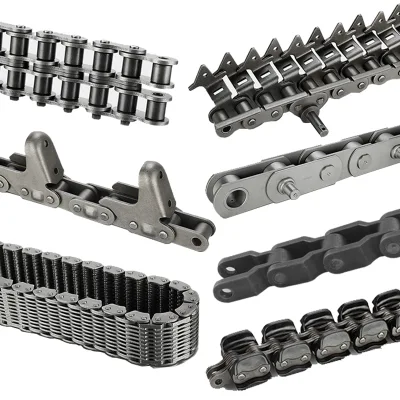
Product Description
| Item | Different Kind of Cast Chain | Application | Machinery Parts |
| Models | 55,103,C55,CC600,488,462,H78 | Brand | OEM |
| Package | Poly bag, then box, finally poly-wooden case | Port | Any sea port or airport in China |
| Material: | Iron |
|---|---|
| Structure: | Cast Chain |
| Surface Treatment: | Polishing |
| Chain Size: | 1/2"*3/32" |
| Feature: | Fire Resistant, Oil Resistant, Heat Resistant |
| Transport Package: | Poly-Wooden Case |
| Customization: |
Available
| Customized Request |
|---|


Can cast chains be used for vertical lifting applications?
Yes, cast chains can be used for vertical lifting applications, and they are commonly employed in various industries for this purpose. Cast chains are designed to withstand heavy loads and provide reliable performance in vertical lifting scenarios. Here are some reasons why cast chains are suitable for vertical lifting:
- High Strength: Cast chains are manufactured from high-quality materials, such as alloy steel, which ensures they have the strength to handle the vertical loads encountered in lifting applications.
- Even Load Distribution: The design of cast chains includes articulating joints that help distribute the load evenly across the chain, reducing stress on individual links and enhancing overall stability during lifting.
- Consistent Performance: Cast chains undergo stringent manufacturing processes, resulting in consistent quality and performance. This reliability is crucial in vertical lifting applications to ensure safe and smooth operation.
- Various Configurations: Cast chains are available in different configurations, such as single-strand, double-strand, and multiple-strand options, allowing users to choose the most suitable chain based on the lifting requirements.
When using cast chains for vertical lifting, it is essential to adhere to the manufacturer’s guidelines, perform regular inspections, and conduct proper maintenance to ensure safe and efficient lifting operations. Additionally, selecting the correct chain size and type based on the specific lifting application is crucial for optimal performance and safety.
Can cast chains be used in forestry or logging applications?
Yes, cast chains can be used in forestry and logging applications, especially in heavy-duty equipment where strength, durability, and resistance to harsh environments are crucial.
In forestry and logging operations, chains are commonly used in various equipment such as:
- Harvesters: Cast chains are employed in harvester machines to efficiently cut, delimber, and process trees. These chains can withstand the demanding conditions of the forestry environment.
- Forwarders: Cast chains play a vital role in the forwarding process, where they are utilized to load and transport cut logs from the harvesting site to the landing or roadside for further processing.
- Skidders: Skidders use cast chains to drag felled trees from the cutting site to the loading area, where they are then transported to the sawmill or processing facility.
The advantages of using cast chains, such as their high strength, durability, and corrosion resistance, make them well-suited for these challenging and rugged applications. Additionally, the customizability of cast chains allows manufacturers to tailor them to specific forestry equipment, ensuring optimal performance and reliability in the field.
However, it’s important to follow regular maintenance schedules, including lubrication and inspection, to extend the service life of the chains and maintain safe and efficient operations in the forestry and logging industry.
What are the maintenance requirements for cast chains?
Maintenance is crucial to ensure the optimal performance and longevity of cast chains in industrial applications. Here are the key maintenance requirements for cast chains:
- Regular Lubrication: Lubrication is essential to reduce friction between chain components and prevent premature wear. Apply the appropriate lubricant to the chain at recommended intervals to ensure smooth operation.
- Inspection: Regularly inspect the cast chains for signs of wear, corrosion, or damage. Look for elongation, bent links, or excessive wear on the chain components.
- Tension Adjustment: Check the chain tension and make necessary adjustments to ensure proper tensioning. Loose chains can lead to increased wear and chain jumping, while overly tight chains can strain the system and cause premature failure.
- Cleaning: Clean the cast chains and sprockets to remove any debris, dirt, or buildup that may affect chain performance. Use suitable cleaning methods and solutions that won’t harm the chain’s materials.
- Replacement of Worn Parts: If any components of the cast chain are significantly worn or damaged, replace them promptly to prevent further damage to the chain and other machinery.
- Environmental Considerations: Take into account the specific environmental conditions in which the cast chains operate. In harsh or corrosive environments, extra care may be needed, and more frequent maintenance may be necessary.
- Training and Safety: Ensure that maintenance personnel are properly trained to handle cast chain maintenance safely and efficiently.
By adhering to these maintenance practices, cast chains can maintain their performance and reliability, reducing downtime and ensuring the safe operation of industrial machinery.


editor by CX 2023-08-02