
Product Description
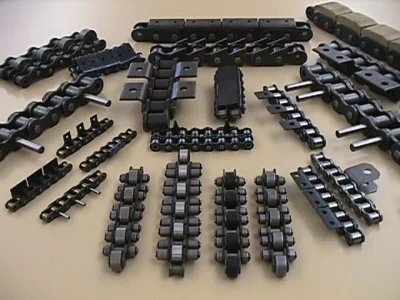
We supply CC600 cast steel chain in high quality and competitice prixce.
We also make Agriculture Conveyor Chain
1) Model numbers: Model numbers: A550, A555, A557, A620, CA550, CA550V, CA555, CA557, CA620, CA2060H, CA2063H, CA550F4, CA550F5, CAE44151, 38.4R, 38.4V, 38.4VB
2) Colour available: Original color, blue, yellow
3) Material: Yellow, blue, original colour, shot peening, CHINAMFG (copper plated), silver (nickel plated and zinc plated).
4) Any special requirements about pins, attachments, and plates can be met.
5) We could supply good quality chain parts and attachments for Chain manufacturers such as Roller, Bush, Pin, K attachments, A attachments, CL, OL, etc.
We can supply varieties of agricultural chain, such as:
1) SH series high strength heavy duty short pitch roller chainsv
2) SP series high strength short pitch roller chains
3) Walking tractor chains
4) Combine chains
5) ZGS38 combine chain with attachments
6) Rice harvester chains
7) Various agricultural chain with attachments
8) S type steel agricultural chains
9) S type steel agricultural chain with attachments
10) A type steel agricultural chains
11) CA type steel agricultural chains
12) C type steel agricultural chain with attachments
| CHAIN NO. | PITCH | ROLLER DIAMETER | WIDTH BETWEEN INNER PLATES | PIN DIAMETER | PIN LENGTH | INNER PLATE DEPTH | ULTIMATE TENSILE STRENGTH | ULTIMATE TENSILE STRENGTH | WEIGHT PER METER | |
| P | D1 MAX | B1 MIN | D2 MAX | L MAX | LC MAX | H2 MAX | Q MIN | Q0 | Q | |
| MM | MM | MM | MM | MM | MM | MM | KN | KN | KG/M | |
| S32 | 29.21 | 11.43 | 15.88 | 4.45 | 26.7 | 28.8 | 13.2 | 8 | 42.6 | 0.86 |
| S42 | 34.93 | 14.27 | 19.05 | 7 | 34.3 | 37 | 19.8 | 26.7 | 38.3 | 1.6 |
| S45 | 41.4 | 15.24 | 22.23 | 5.72 | 37.7 | 40.4 | 17.3 | 17.8 | 20.5 | 1.66 |
| S52 | 38.1 | 15.24 | 22.23 | 5.72 | 37.7 | 40.4 | 17.3 | 17.8 | 20.5 | 1.68 |
| S55 | 41.4 | 17.78 | 22.23 | 5.72 | 37.7 | 40.4 | 17.3 | 17.8 | 20.5 | 1.8 |
| S55R | 41.4 | 17.78 | 22.23 | 8.9 | 41 | 44 | 22.4 | 44.5 | 50.8 | 2.49 |
| S62 | 41.91 | 19.05 | 25.4 | 5.72 | 40.3 | 43 | 17.3 | 26.7 | 30.9 | 1.87 |
| S77 | 58.34 | 18.26 | 22.23 | 8.9 | 43.2 | 46.4 | 26.2 | 44.5 | 50.8 | 2.65 |
| S88 | 66.27 | 22.86 | 28.58 | 8.9 | 49.8 | 53 | 26.2 | 44.5 | 50.8 | 3.25 |
/* March 10, 2571 17:59:20 */!function(){function s(e,r){var a,o={};try{e&&e.split(“,”).forEach(function(e,t){e&&(a=e.match(/(.*?):(.*)$/))&&1
| Material: | Alloy |
|---|---|
| Structure: | Combined Chain |
| Surface Treatment: | Baking Paint |
| Chain Size: | 1/2"*11/128" |
| Feature: | Fire Resistant, Oil Resistant, Heat Resistant |
| Transport Package: | Standard Sea Worthy Package |
| Customization: |
Available
| Customized Request |
|---|


Can cast chains be used in power generation equipment such as turbines?
Yes, cast chains can be used in power generation equipment, including turbines, in certain applications. Power generation equipment requires components that can withstand high loads, extreme temperatures, and harsh operating conditions, and cast chains are designed to meet these requirements.
In power generation, cast chains are commonly used in turbine systems for various purposes:
- Conveying Fuel: Cast chains can be utilized in biomass, coal, and other fuel handling systems to transport the fuel from storage to the combustion area.
- Ash Handling: Power plants often produce ash as a byproduct of combustion, and cast chains can be employed in ash handling systems to transport and dispose of the ash.
- Boiler Feed Systems: Cast chains can be used in the boiler feed systems to transport water and steam within the power generation process.
- Generator Cooling: Cast chains may also play a role in cooling systems for generators and other power generation equipment.
It’s important to note that the selection of chains for power generation applications depends on various factors, including the specific requirements of the equipment, operating conditions, and safety regulations. In some cases, other types of chains, such as forged chains or roller chains, might be more suitable for certain power generation applications.
When using cast chains in power generation equipment, regular maintenance, lubrication, and inspection are essential to ensure optimal performance and to prevent potential failures that could lead to downtime and costly repairs.
How do cast chains handle variable speed requirements?
Cast chains are capable of handling variable speed requirements in various industrial applications. The ability to accommodate variable speeds is influenced by several factors:
- Lubrication: Proper and regular lubrication of the cast chain is essential to minimize friction and wear, allowing smoother operation at different speeds.
- Chain Design: The design of the cast chain, including the shape and size of its components, can impact its ability to handle different speeds without compromising performance.
- Load Distribution: Proper load distribution and tension adjustment in the cast chain can help maintain stable and efficient operation across various speed ranges.
- Drive System: The drive system used to power the cast chain can also affect its performance at different speeds. Properly selected motors and controllers can ensure smooth and reliable operation.
It’s crucial to consider the specific speed requirements of the application and select a cast chain that matches those requirements. Additionally, regular maintenance and inspection are essential to detect any signs of wear or fatigue that could affect the cast chain’s performance at varying speeds. Overall, with appropriate maintenance and proper selection, cast chains can effectively handle variable speed demands in industrial settings.

How do you select the right size and strength for a cast chain?
Selecting the right size and strength for a cast chain involves considering several factors to ensure optimal performance and safety in a specific application.
1. **Load Requirements:** Determine the maximum load the chain will be subjected to during operation. This includes both the static load and any dynamic or shock loads that may occur. The chain’s strength should exceed the maximum anticipated load to avoid premature wear or failure.
2. **Speed and RPM:** Consider the operating speed and the number of revolutions per minute (RPM) the chain will experience. Higher speeds and RPMs can lead to increased wear, so the chain must be capable of handling the demands of the application.
3. **Chain Pitch:** Select the appropriate chain pitch, which is the distance between the center of two consecutive pins. The pitch should match the sprocket’s pitch diameter to ensure smooth engagement and minimal wear.
4. **Environmental Factors:** Evaluate the operating environment, including temperature, humidity, and the presence of corrosive substances or contaminants. Choose a cast chain with the appropriate material and surface treatment to withstand the environmental conditions.
5. **Service Life Expectancy:** Consider the desired service life of the chain. A longer service life may require a higher-strength chain with superior wear resistance.
6. **Safety Factors:** Apply appropriate safety factors to account for uncertainties and variations in the operating conditions. This helps ensure the chain’s durability and reliability under unexpected or harsh conditions.
7. **Consult Manufacturer’s Guidelines:** Always refer to the manufacturer’s guidelines, catalogs, or technical specifications to select the right cast chain for a specific application. Manufacturers can provide valuable insights and recommendations based on their expertise and knowledge of the chain’s capabilities.
By carefully considering these factors and consulting with chain manufacturers or experts, you can select the right size and strength of a cast chain that will meet the requirements of your industrial application and provide long-lasting performance.


editor by CX 2023-12-29