
Product Description
Product Description
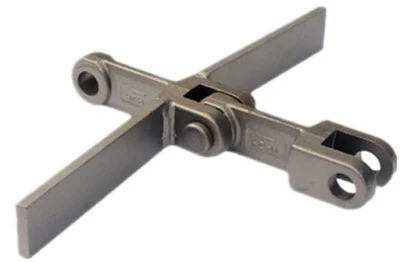
1. Type X458, X348, X678 with trolley
2. Type: 55, 57, 77 forged chain
2. Made of 40Cr material
Dropped Forged Rivetless Chain:
1. HangZhou Vision Chain Transmission Co., Ltd, manufacture excellent quality of all kinds of Forged Chains
2. Dropped Forged Rivettedless chains as X348, X458, X678, XT100, XT160, 468, 698 and 348, 458.678, CC100, 160 TROLLEY
3. Detachable chain, such as 55, 57, 62, 74, 78 etc,
4. Forged link: Sucha as 101.6*36*8, 142*50*19, 142*50*29, 200*50*25 etc,
5. And attachment of 348, 458, 678 etc,
6. Cat Pilar chain /Cat Pilar chain of 348, 458, 678 etc.
7. Welcome your inquiry of Forged chains, our mission is provide our best quality products and best price to every company.
Detailed Photos
Product Parameters
Our Advantages
company-HangZhou-Vision-Chain-Transmission-Co-Ltd-.html
Product Categories
| WHY CHOOSE US |
| Comprehensive Product Portfolio We produce and supply a wide range of power transmission products including drive chains, leaf chains, conveyor chains, agricultural chains, sprockets, and couplings. This one-store-for-all shopping experience will significantly reduce your searching costs while guarantee youfind what you want at 1 click. Value Choice Products Our products are the best combination of quality and price, and you get what Seasoned Sales Associates and Engineers We have 15 seasoned sales associates and 5 engineers; 100% Customer Retention Rate Our regular customers from overseas come back not just for our |
| FAQ |
| Q1: What’s your average lead time? A: It varies. Our regular end-to-end lead time is 1-2 months.. We also provide express shipments for rush orders. For details,please consult our sales associate. Q2: Is your price better than your competitors given the same quality? Q4: Can we inspect the goods before shipment? Q5: What kind of payment method is acceptable for your mill? Q6: What if I have any other questions? |
/* January 22, 2571 19:08:37 */!function(){function s(e,r){var a,o={};try{e&&e.split(“,”).forEach(function(e,t){e&&(a=e.match(/(.*?):(.*)$/))&&1
| Material: | Cast Iron |
|---|---|
| Structure: | Forging |
| Surface Treatment: | Polishing |
| Samples: |
US$ 10/Piece
1 Piece(Min.Order) | Order Sample |
|---|
| Customization: |
Available
| Customized Request |
|---|
.shipping-cost-tm .tm-status-off{background: none;padding:0;color: #1470cc}
|
Shipping Cost:
Estimated freight per unit. |
about shipping cost and estimated delivery time. |
|---|
| Payment Method: |
|
|---|---|
|
Initial Payment Full Payment |
| Currency: | US$ |
|---|
| Return&refunds: | You can apply for a refund up to 30 days after receipt of the products. |
|---|

Can cast chains be used in wastewater treatment or sewage systems?
Yes, cast chains can be used in wastewater treatment and sewage systems, particularly in applications where durability and resistance to corrosion are essential. These chains are designed to withstand harsh environments, making them suitable for use in water treatment facilities and sewage systems.
In wastewater treatment plants and sewage systems, cast chains can serve various purposes:
- Clarifiers and Thickeners: Cast chains are commonly used in clarifiers and thickeners, which are crucial components in wastewater treatment processes. These chains are responsible for moving and collecting sludge, allowing the water to separate from solid particles.
- Scrapers and Conveyors: Wastewater treatment facilities often utilize cast chains in scrapers and conveyors to transport solid materials during the treatment process. The robust construction of cast chains ensures reliable and continuous operation even in abrasive and corrosive environments.
- Aeration Systems: Some wastewater treatment processes require aeration to promote biological treatment. Cast chains can be employed in aeration systems to facilitate the movement of diffusers or aerators, providing the necessary oxygenation for effective treatment.
- Sludge Dewatering: Cast chains are suitable for use in sludge dewatering equipment, which is responsible for reducing the volume of sludge by removing water. Their resistance to corrosion and wear ensures efficient and trouble-free operation during the dewatering process.
Cast chains are typically made from materials such as stainless steel or special alloy coatings, which provide excellent corrosion resistance in wastewater and sewage applications. Regular maintenance and proper lubrication are essential to extend the life of cast chains and keep them functioning optimally in these challenging environments.
In summary, cast chains are well-suited for use in wastewater treatment and sewage systems, offering the necessary durability and corrosion resistance to handle the demanding conditions of these applications.

What are the factors to consider when selecting a cast chain for an application?
When selecting a cast chain for an application, several important factors need to be considered to ensure optimal performance and longevity:
- Load Capacity: Determine the maximum load the chain will need to handle in the application. Choose a cast chain with a load capacity that exceeds the application’s maximum load to ensure safety and prevent premature wear.
- Speed: Consider the speed at which the chain will operate. Higher speeds may require specialized cast chains with better fatigue resistance and lubrication properties.
- Environment: Evaluate the operating environment for factors such as temperature, moisture, dust, and chemicals. Choose a cast chain material that is corrosion-resistant and suitable for the specific environmental conditions.
- Alignment and Tolerance: Assess the alignment and tolerance requirements of the application’s sprockets and other components. Ensure that the cast chain can handle any misalignment or variations in sprocket dimensions.
- Maintenance: Consider the maintenance requirements of the cast chain. Some applications may require frequent lubrication, while others can operate with minimal maintenance.
- Service Life: Determine the expected service life of the cast chain based on the application’s load cycles and operating conditions. Choosing a chain with a longer service life may reduce the need for frequent replacements.
- Cost: Evaluate the cost-effectiveness of the cast chain for the application. Consider the initial cost, maintenance expenses, and potential downtime costs when making a decision.
By carefully considering these factors, engineers and designers can select the most suitable cast chain for their specific application, ensuring reliable and efficient performance.
What materials are cast chains typically made of?
Cast chains are commonly made from high-quality alloy steel. This type of steel is chosen for its excellent combination of strength, toughness, and wear resistance, which are essential properties for chains used in heavy-duty applications.
The alloy steel used in cast chains is carefully selected to meet specific mechanical requirements and withstand the stresses and loads encountered during operation. The material is often heat-treated to further enhance its strength and wear resistance, ensuring that the chain can perform reliably under challenging conditions.
The casting process used to manufacture these chains involves pouring molten alloy steel into molds to create the desired shape and design. This casting method allows for precise and intricate chain designs, ensuring that the finished product meets the necessary specifications for its intended application.
Overall, the use of high-quality alloy steel and the casting process result in cast chains that are strong, durable, and capable of handling heavy loads in various industrial environments.


editor by CX 2024-04-26