
Product Description
Product Description
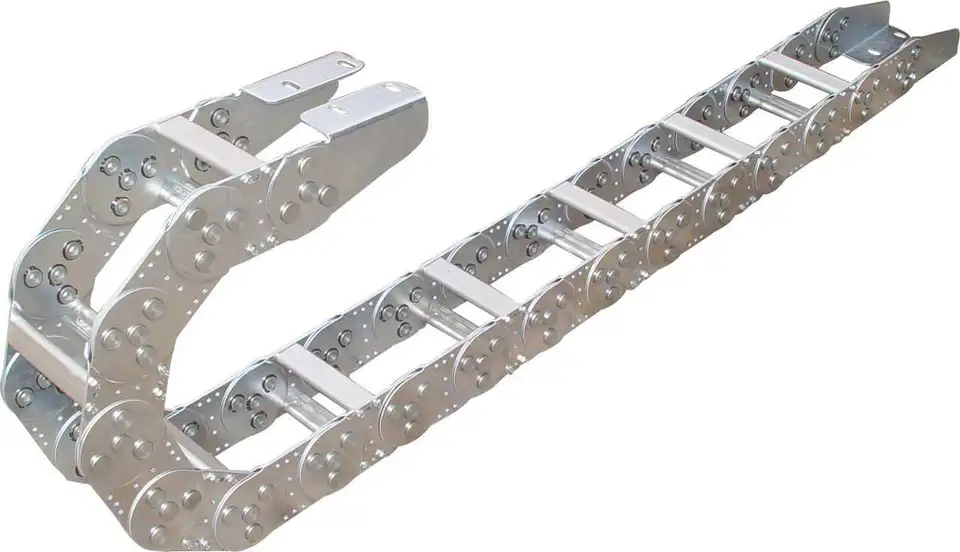
DGT enclosed type steel cable drag chain
The outer diameter of DGT enclosed type steel cable drag chain is chrome plated, and stainless steel and plastic, with engineering plastic reinforced nylon 66 plus fiber combination, the sleeve plate is stainless steel polishing processing, with engineering plastic combination, reasonable structure, high strength, no deformation, beautiful appearance and other advantages.
Easy to install, suitable for machine tools, mechanical appliances, hydraulic steam pipeline protection and decoration of the overall shape of the United States. To ensure the safety of operators, enhance the competitiveness of our machine tools, machinery and equipment in the international market.
Detailed Photos
DGT enclosed type steel cable drag chain
are mainly consisting of chain plate (top quality stainless steel with chromium plated), supporting board (extruded aluminium alloy) and pin shaft (alloy) ect. There is no relative motions between the cables/rubber hoses and the drag chainsiving no deforming or twists. The chromium plated chain board has very nice-looking appearance and has very rational construction and flexible and high strength.It is reliable and easy to operate, install, dismantal or assemble. It is worthwhile mentioning that the anti-wearing performance has been improved greatly due to wear resistant material and alloy pin shaft are used. The produce is flexible to bending and has low resistance giving low noises. It can be used for a very long period of time without any deformation or hanging down.
Product Parameters
Packaging & Shipping
Company Profile
ZheJiang CHINAMFG Machine Tool Accessories Co., Ltd. was established on March 4, 2004. Professional R&D and manufacturing for 18 years: machine chip conveyor, cable drag chain, cantilever control box, machine tool damping foot.
We mainly serve the European market and the Asian market, and our products are sold in 39 countries. With our sincere corporate culture, we are deeply loved and praised by our customers.
The ZHONGDE factory has 2 production and processing workshops and 1 assembly workshop. Good products are inseparable from good equipment.
In order to meet the high quality requirements of our customers around the world, we updated our manufacturing equipment in 2016.
With these devices, our delivery time is faster. Better quality.
Our design team has extensive experience to meet your orders.
On the demand side, we have more than 200 kinds of stocks, which can meet the delivery requirements of 24-hour small batch orders, which makes our customers receive faster time and customer satisfaction reaches 95%. Welcome to cooperate with us.
Our Advantages
We are a 18-year-old factory with 2 production lines, producing 30-50 CNC winding covers every day. We have 27 workers and 7 salesmen. The company has passed the IOS9001 quality system certification. The product has passed the EU CE certification. Products have been exported to 39 countries.
We are an Alibaba certified enterprise.
2.We have 18 years of manufacturing experience and 10 years of export experience.
3.We can accept OEM&ODM services.
4.We provide 24-hour online service.
FAQ
Can drag chains be used in the automotive and transportation sectors?
Yes, drag chains can be used in the automotive and transportation sectors for various applications that involve cable management and protection. In these industries, drag chains play a crucial role in ensuring the reliable and safe operation of cables, wires, and hoses used in vehicles and transportation systems.
In the automotive sector, drag chains are commonly used in modern vehicles, including cars, trucks, buses, and specialty vehicles. They are employed to organize and protect cables and hoses that control various systems such as engine components, sensors, lighting, and braking systems. Drag chains help prevent cables from getting tangled, pinched, or damaged during the vehicle’s movement, ensuring consistent and smooth operation of the electrical and mechanical systems.
In the transportation sector, drag chains are used in a wide range of applications, including trains, trams, subways, and other mass transit systems. They are used to manage and protect cables and hoses that control vital functions such as propulsion systems, doors, HVAC systems, communication systems, and more. Drag chains in these applications must be durable, reliable, and able to withstand the continuous movement and harsh environmental conditions experienced in transportation settings.
Drag chains used in the automotive and transportation sectors are designed to withstand various challenges, including high vibration, temperature fluctuations, exposure to dust and dirt, and continuous flexing during vehicle operation. They are typically made from materials such as plastic, metal, or hybrid materials to offer the necessary strength and flexibility required for the specific application.
Overall, drag chains are essential components in the automotive and transportation sectors, ensuring proper cable management, protecting cables from wear and damage, and contributing to the overall safety, efficiency, and reliability of vehicles and transportation systems.
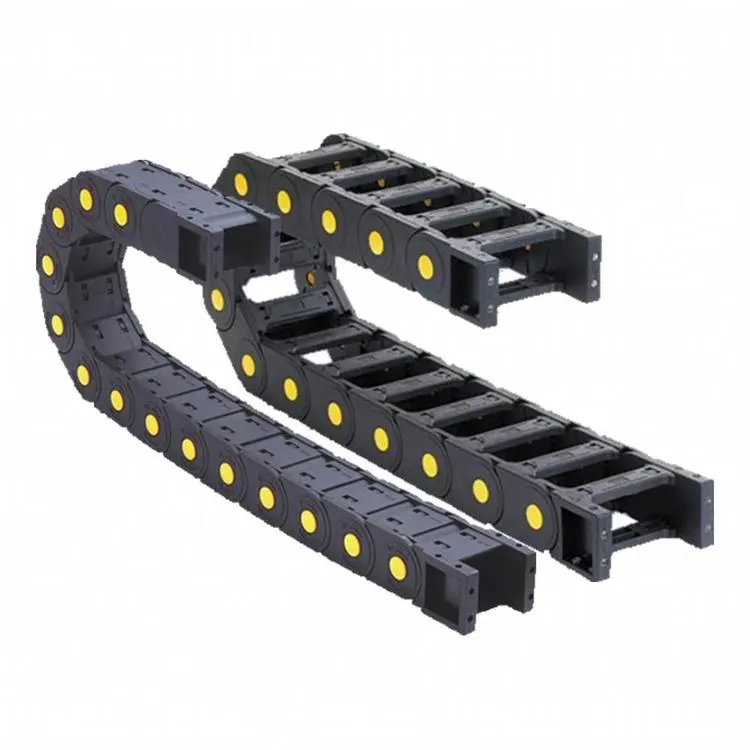
What are the environmental considerations when using drag chains?
When using drag chains, several environmental considerations need to be taken into account to ensure optimal performance and longevity. Drag chains, also known as cable carriers or energy chains, are used in various industrial applications and can be exposed to a wide range of environmental conditions. Some key environmental considerations include:
- Dust and Debris: Drag chains used in dusty environments, such as mining or construction sites, can accumulate debris over time. Regular cleaning and maintenance are essential to prevent abrasive particles from causing excessive wear and tear on the cables and hoses within the chain.
- Moisture and Water: In outdoor or wet environments, drag chains may be exposed to moisture, rain, or water splashes. It’s crucial to select drag chains made from materials that are resistant to corrosion and can withstand exposure to water without compromising performance.
- Chemical Exposure: Some industrial settings, such as chemical processing plants, may expose drag chains to harsh chemicals. Using drag chains with chemical-resistant materials is necessary to prevent degradation or chemical reactions that could affect the chain’s integrity.
- Temperature Extremes: Drag chains used in extreme temperatures, whether high or low, must be made from materials capable of maintaining their properties in those conditions. Extreme heat or cold can impact the flexibility and strength of the chain.
- UV Radiation: Outdoor applications may expose drag chains to UV radiation from sunlight, which can cause degradation of certain materials over time. UV-resistant drag chains are essential for maintaining performance and longevity in such environments.
- Space Limitations: In some applications, there may be limited space available for installing drag chains. It’s essential to consider the size and design of the chain to ensure proper cable and hose management without compromising other components or creating unnecessary strain.
Choosing the right type of drag chain, with appropriate materials and design features, is crucial to address the specific environmental challenges of each application. Regular maintenance and inspections are also essential to identify and address any issues that may arise due to environmental exposure, ensuring the drag chains continue to function effectively and protect cables and hoses from damage throughout their operational life.
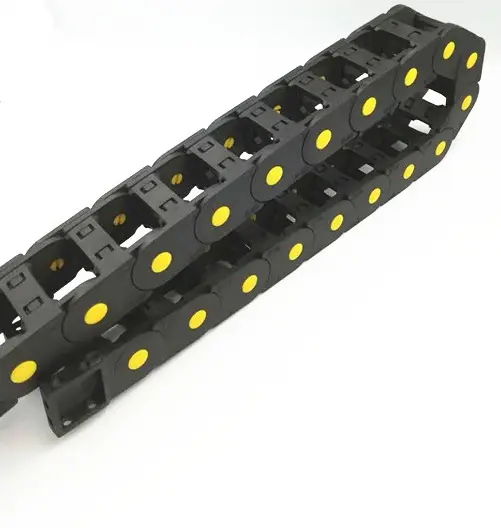
Can drag chains be used for both power and signal transmission in industrial equipment?
Yes, drag chains can be used for both power and signal transmission in industrial equipment. They are versatile cable management systems designed to protect and guide cables, hoses, and other lines while allowing them to move freely during machine operation.
Power Transmission:
Drag chains are commonly used to carry power cables that supply electrical energy to various moving parts of industrial machinery. These power cables can be used to drive motors, actuators, sensors, and other components that require electricity to function. The drag chain’s design allows the power cables to move back and forth while maintaining a safe and organized routing, ensuring uninterrupted power supply during machine operation.
Signal Transmission:
In addition to power cables, drag chains can also accommodate signal cables used for data transmission and communication. These signal cables may carry control signals, feedback signals, or other important data between different parts of the machine or between the machine and its control system. By using drag chains for signal transmission, the cables are protected from damage and wear due to continuous motion, which helps maintain the integrity of the transmitted signals.
Combined Power and Signal Transmission:
In many industrial applications, both power and signal cables are needed to ensure the proper functioning of the equipment. Drag chains are ideal for combining power and signal transmission in one system, providing a neat and organized solution that prevents tangling and interference between different cables.
Overall, drag chains offer a reliable and efficient method for managing both power and signal transmission in industrial equipment. Their ability to handle dynamic motion, protect cables from external hazards, and provide a flexible and organized cable routing makes them a valuable component in various industries, including manufacturing, automation, robotics, and more.


editor by CX 2023-10-20