
Product Description
Product Description
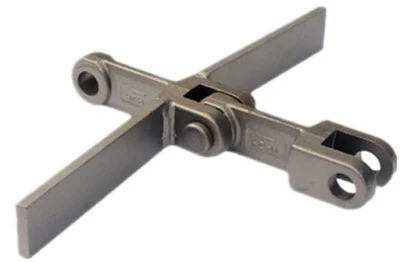
1. Type X458, X348, X678 with trolley
2. Type: 55, 57, 77 forged chain
2. Made of 40Cr material
Dropped Forged Rivetless Chain:
1. HangZhou Vision Chain Transmission Co., Ltd, manufacture excellent quality of all kinds of Forged Chains
2. Dropped Forged Rivettedless chains as X348, X458, X678, XT100, XT160, 468, 698 and 348, 458.678, CC100, 160 TROLLEY
3. Detachable chain, such as 55, 57, 62, 74, 78 etc,
4. Forged link: Sucha as 101.6*36*8, 142*50*19, 142*50*29, 200*50*25 etc,
5. And attachment of 348, 458, 678 etc,
6. Cat Pilar chain /Cat Pilar chain of 348, 458, 678 etc.
7. Welcome your inquiry of Forged chains, our mission is provide our best quality products and best price to every company.
Detailed Photos
Product Parameters
Our Advantages
company-HangZhou-Vision-Chain-Transmission-Co-Ltd-.html
Product Categories
| WHY CHOOSE US |
| Comprehensive Product Portfolio We produce and supply a wide range of power transmission products including drive chains, leaf chains, conveyor chains, agricultural chains, sprockets, and couplings. This one-store-for-all shopping experience will significantly reduce your searching costs while guarantee youfind what you want at 1 click. Value Choice Products Our products are the best combination of quality and price, and you get what Seasoned Sales Associates and Engineers We have 15 seasoned sales associates and 5 engineers; 100% Customer Retention Rate Our regular customers from overseas come back not just for our |
| FAQ |
| Q1: What’s your average lead time? A: It varies. Our regular end-to-end lead time is 1-2 months.. We also provide express shipments for rush orders. For details,please consult our sales associate. Q2: Is your price better than your competitors given the same quality? Q4: Can we inspect the goods before shipment? Q5: What kind of payment method is acceptable for your mill? Q6: What if I have any other questions? |
| Material: | Cast Iron |
|---|---|
| Structure: | Forging |
| Surface Treatment: | Polishing |
| Samples: |
US$ 10/Piece
1 Piece(Min.Order) | Order Sample |
|---|
| Customization: |
Available
| Customized Request |
|---|
.shipping-cost-tm .tm-status-off{background: none;padding:0;color: #1470cc}
|
Shipping Cost:
Estimated freight per unit. |
about shipping cost and estimated delivery time. |
|---|
| Payment Method: |
|
|---|---|
|
Initial Payment Full Payment |
| Currency: | US$ |
|---|
| Return&refunds: | You can apply for a refund up to 30 days after receipt of the products. |
|---|


How do cast chains handle wear and tear in continuous operation?
Cast chains are designed to handle continuous operation in demanding industrial applications, but like all moving parts, they are subject to wear and tear over time. The durability and resistance to wear of cast chains depend on several factors:
- Material Quality: The quality of the materials used in the construction of cast chains plays a crucial role in their wear resistance. High-quality alloy steels are often used to enhance the chain’s strength and resistance to abrasion.
- Surface Hardening: Some cast chains undergo surface hardening treatments to increase their hardness and wear resistance on the contact surfaces.
- Lubrication: Proper lubrication is essential to reduce friction and wear between the chain’s components. Lubricants help to maintain smooth operation and prevent metal-to-metal contact.
- Alignment and Tension: Correct chain alignment and proper tensioning are critical to avoid unnecessary stress on the chain, which can lead to accelerated wear.
- Environmental Conditions: The operating environment, such as temperature, humidity, and presence of abrasive materials, can affect the wear rate of cast chains.
Continuous operation without proper maintenance and monitoring can lead to increased wear and eventual chain failure. It’s crucial to establish a regular maintenance schedule, including lubrication, inspection, and replacement of worn-out components, to extend the life of the cast chain and ensure safe and reliable operation.
When wear becomes significant or exceeds recommended tolerances, it’s essential to replace the cast chain promptly to avoid unexpected downtime, costly repairs, and potential damage to other components in the system.

Can cast chains be used in overhead or inverted applications?
Yes, cast chains can be used in both overhead and inverted applications, depending on their design and intended use. The versatility of cast chains makes them suitable for a wide range of industrial applications, including those that involve overhead or inverted configurations.
In overhead applications, cast chains can be used for tasks such as lifting heavy loads, transporting materials, or operating cranes and hoists. The high strength and robust construction of cast chains allow them to handle the vertical loads and stresses typically associated with overhead lifting operations.
In inverted applications, cast chains can be utilized for tasks like conveyor systems that require materials to move upside down or in inverted orientations. These chains can maintain their performance and reliability even when subjected to tension and flexing in non-traditional configurations.
When using cast chains in overhead or inverted applications, it is crucial to ensure proper installation and alignment to prevent premature wear or potential failure. Additionally, regular inspections and lubrication are essential to keep the chains operating smoothly and extend their service life.
Overall, cast chains offer a dependable solution for overhead and inverted applications where strength, durability, and reliability are essential.
What materials are cast chains typically made of?
Cast chains are commonly made from high-quality alloy steel. This type of steel is chosen for its excellent combination of strength, toughness, and wear resistance, which are essential properties for chains used in heavy-duty applications.
The alloy steel used in cast chains is carefully selected to meet specific mechanical requirements and withstand the stresses and loads encountered during operation. The material is often heat-treated to further enhance its strength and wear resistance, ensuring that the chain can perform reliably under challenging conditions.
The casting process used to manufacture these chains involves pouring molten alloy steel into molds to create the desired shape and design. This casting method allows for precise and intricate chain designs, ensuring that the finished product meets the necessary specifications for its intended application.
Overall, the use of high-quality alloy steel and the casting process result in cast chains that are strong, durable, and capable of handling heavy loads in various industrial environments.


editor by CX 2023-10-30